How Long Does Steel Erection Take? Timelines, Scheduling, and Common Delays
Planning Your Project Schedule Around the Steel
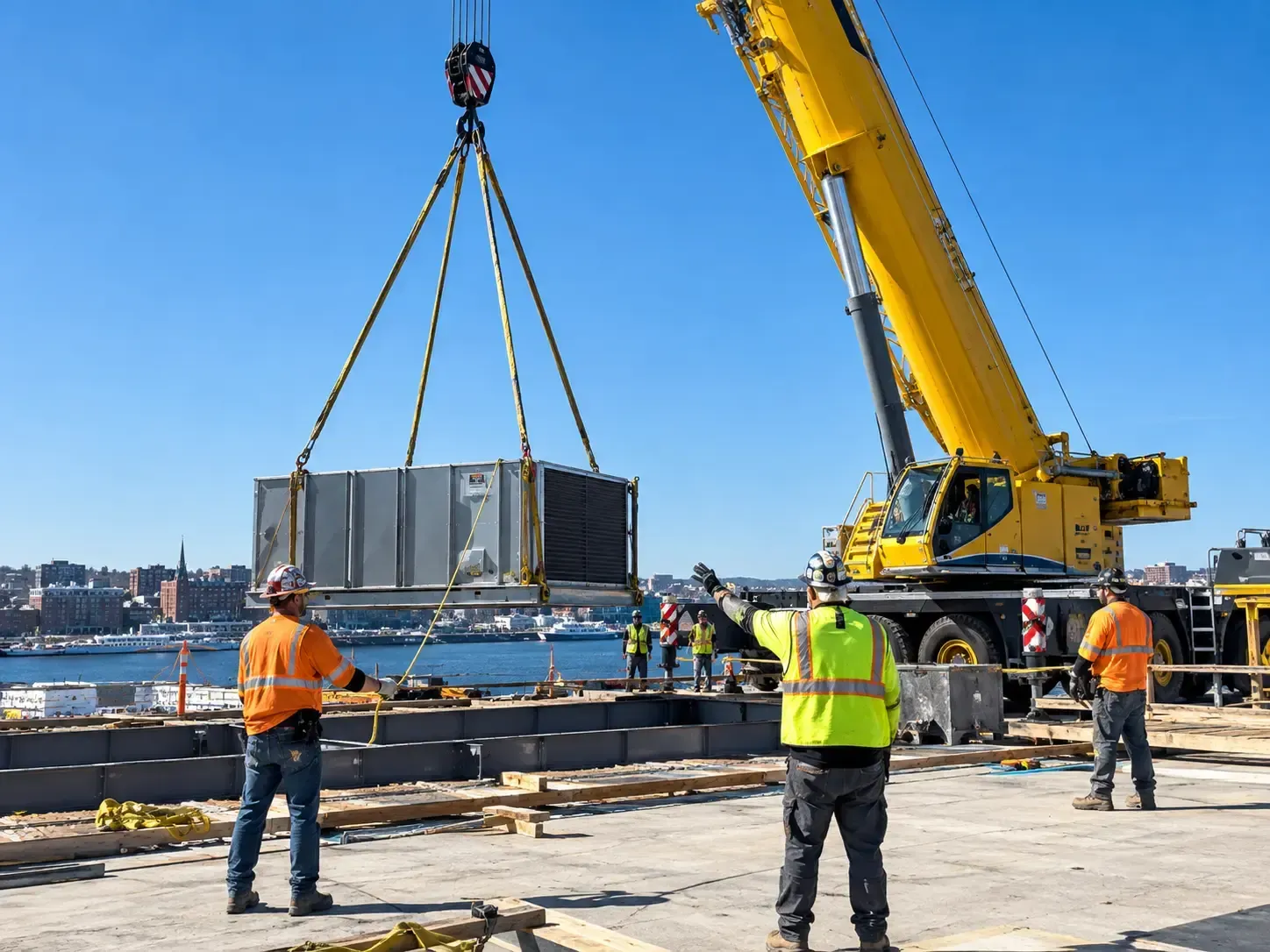
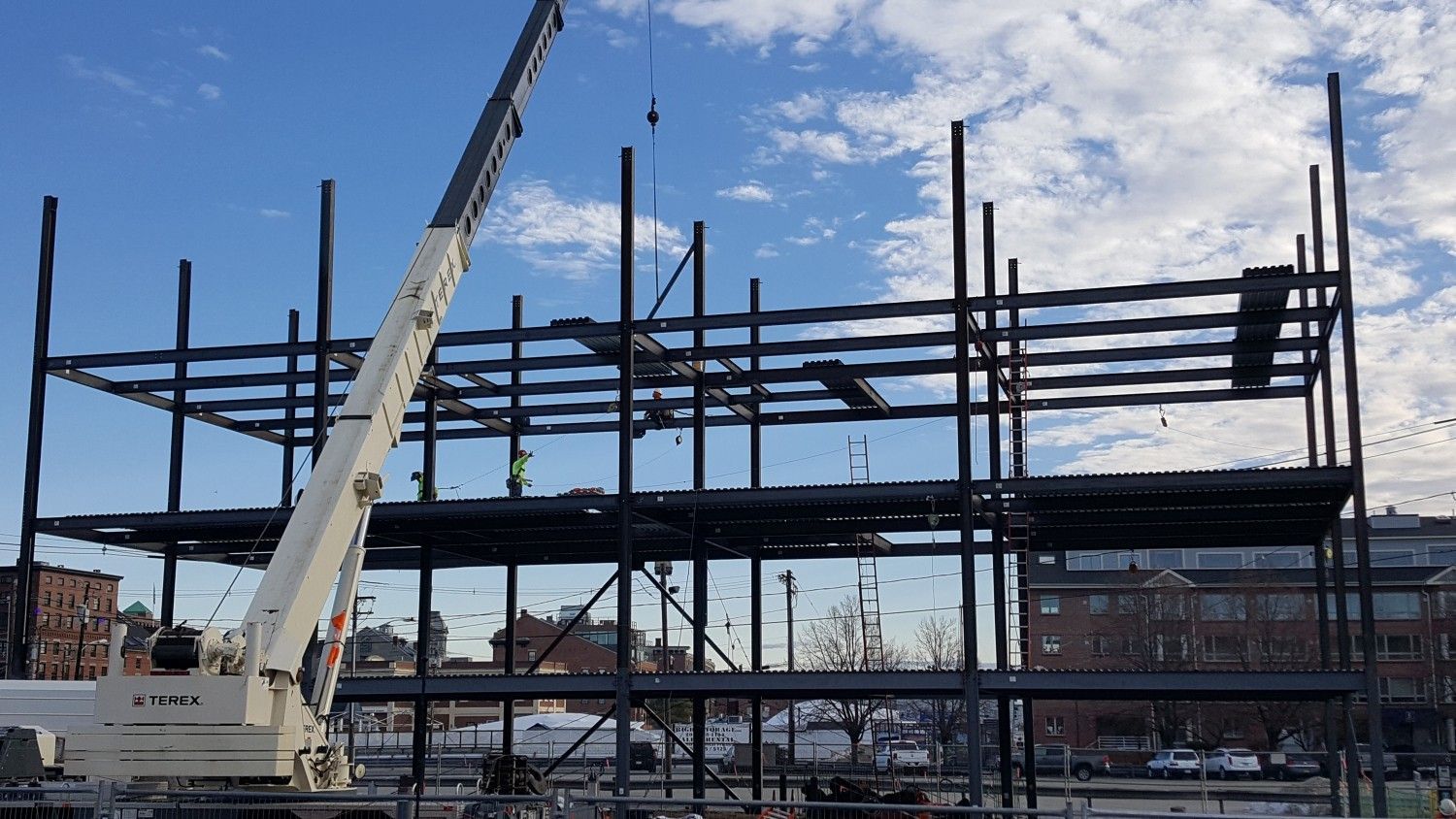
When structural steel goes up, everything that follows depends on it: decking, roofing, enclosure, interior trades. That makes the steel schedule one of the most important pieces of a construction timeline. Project owners and general contractors naturally want to know how long erection will take, and how to keep it on track.
Planning Your Project Schedule Around the Steel
There's no single answer to "how long does steel erection take?" because the project itself shapes the timeline. A small commercial building and a multi-story facility with heavy structural members are very different undertakings. What matters is understanding the factors that drive duration so you can plan realistically from the start.
What Determines How Long Erection Takes
Building size and steel tonnage. More steel means more picks, more connections, and more time. The structure's overall footprint and height set the schedule baseline.
Structural complexity. Simple, repetitive framing goes up faster than structures with unusual geometry, heavy transfer members, or intricate connections. Complexity affects both lift planning and field time.
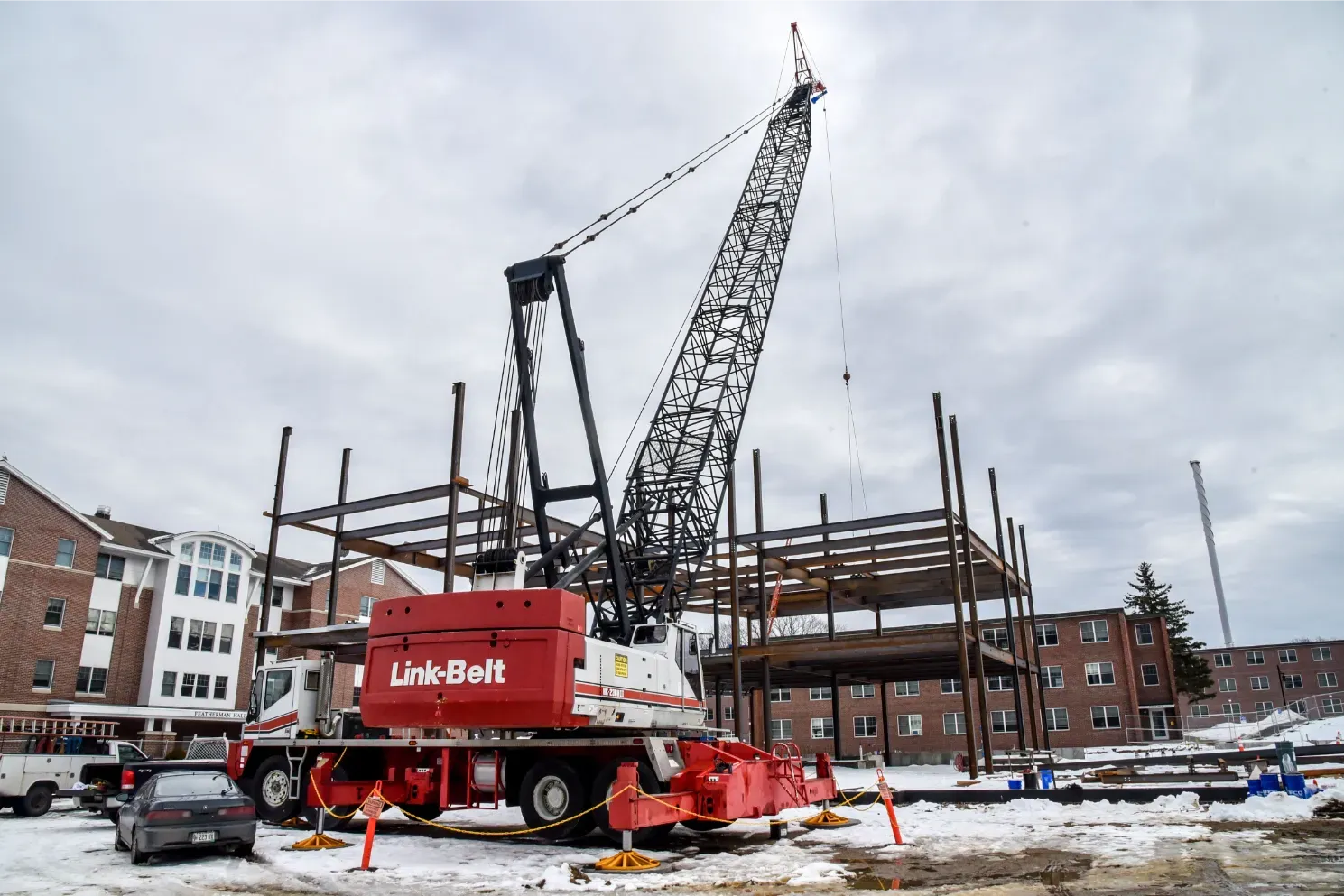
Crane capacity and setup. The right crane keeps lifts efficient. Repositioning a crane around a large site or setting up for long-reach picks adds time, so crane selection and placement are planned early.
Site access and layout. Tight sites with limited staging space slow material handling. Open sites with good access let crews work with fewer interruptions.
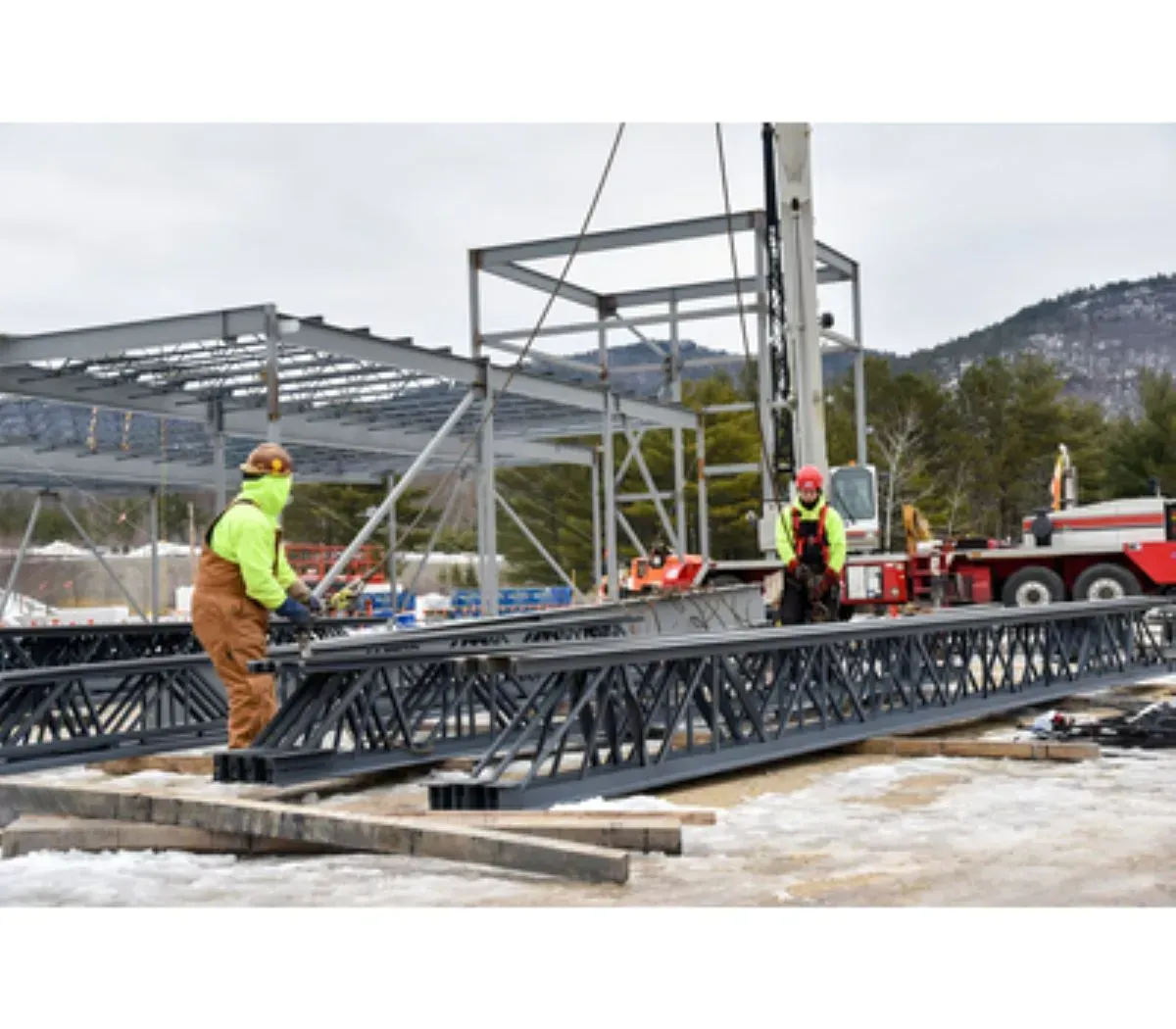
Crew size and experience. A well-coordinated crew that has worked together moves faster and safer. Experience with similar projects helps anticipate problems before they cost time.
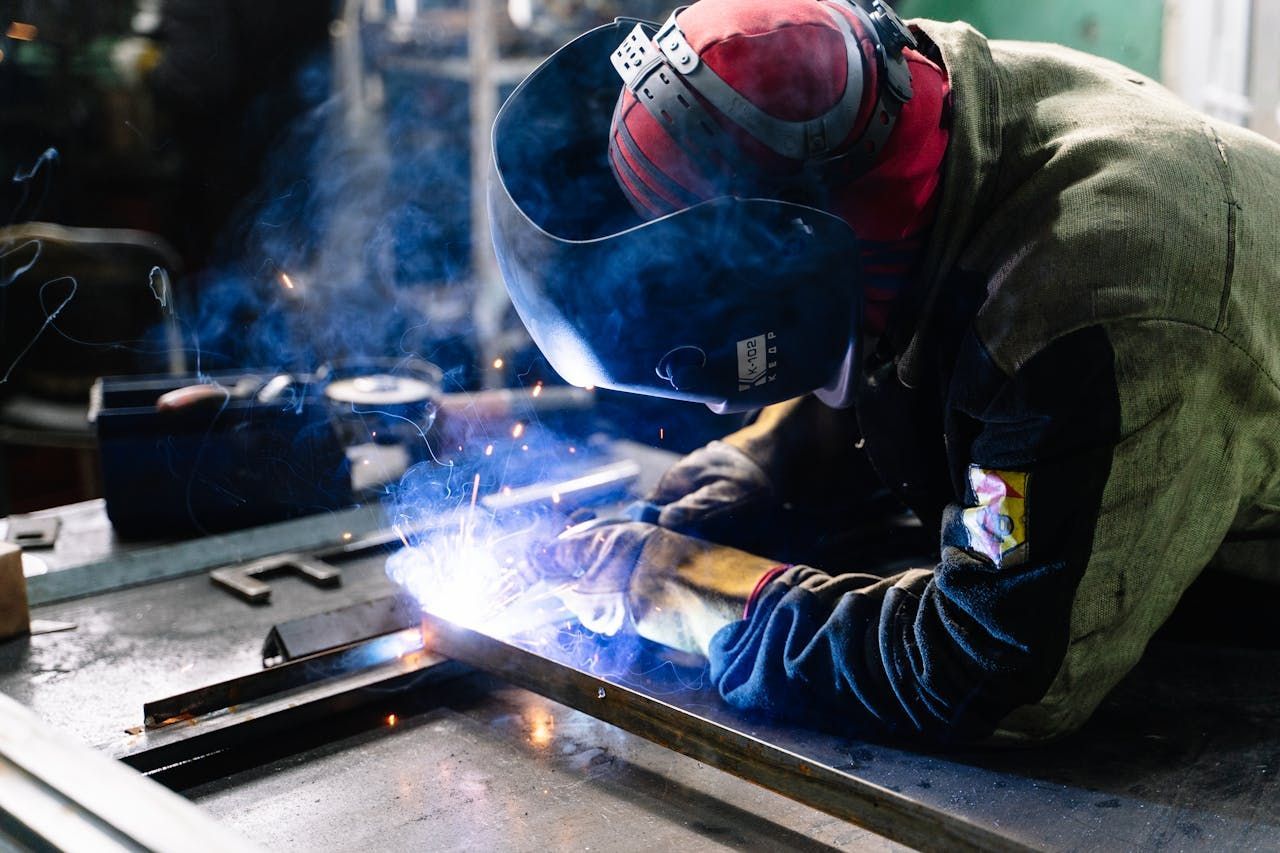
Scope beyond the frame. Joists and decking, precast erection, welding, and stairs and rails all add to the overall schedule. Coordinating them with one team can keep the sequence tight.
Common Causes of Delays
Most steel erection delays come from issues that could have been caught earlier:
- Late or out-of-sequence steel deliveries. Crews can't erect what hasn't arrived, and out-of-sequence deliveries slow the work.
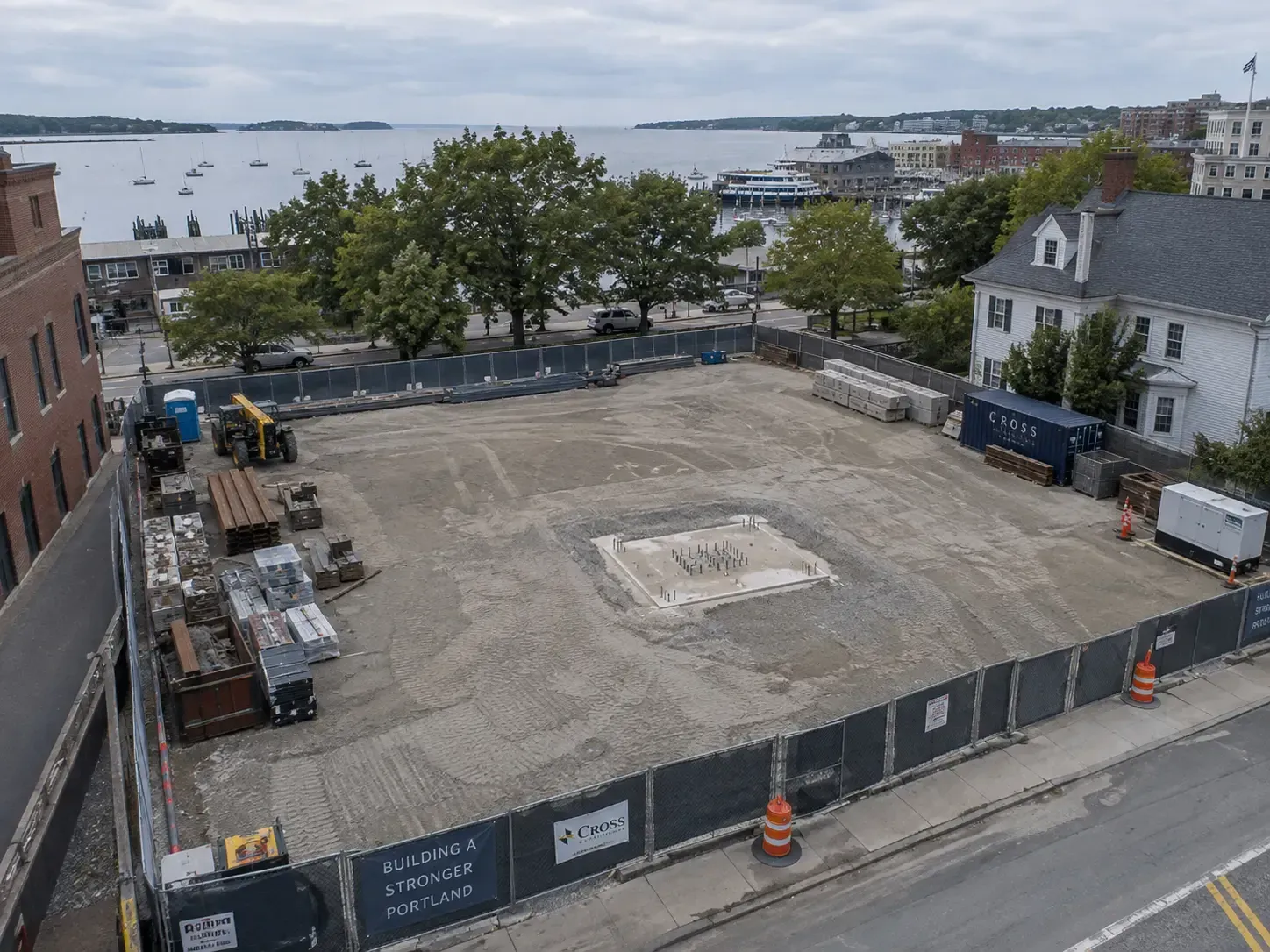
- Site access or ground problems. Soft ground, blocked access, or unprepared crane pads can hold up setup.
- Foundations and anchor bolts not ready. Steel can't go up until the foundations are complete and anchor bolts are placed correctly.
- Weather. High winds, ice, and heavy rain or snow can pause crane operations for safety. This matters especially in New England, where conditions change quickly.
- Utility conflicts. Overhead power lines or underground utilities discovered late can force changes to crane placement or lift plans.
- Design changes. Revisions after steel is detailed or fabricated ripple through the schedule.
How to Keep Your Schedule on Track
Schedule your erection partner early. As soon as your timeline firms up, talk with your crane and erection team so they can confirm crew and equipment availability against your dates.
Get a site evaluation before mobilization. Reviewing access, overhead lines, footprint, and rigging requirements ahead of time lets the team plan a realistic schedule and flag problems early.
Prepare the site. Clear access, stable ground, marked utilities, and completed foundations let crews start productively on day one.
Coordinate deliveries. Align steel deliveries with the erection sequence so materials arrive when and where they're needed.
Build in weather flexibility. Especially for projects running through fall and winter, a schedule with some buffer absorbs weather pauses without derailing everything that follows.
Keep communication open. Regular coordination among the owner, general contractor, fabricator, and erector catches issues early and keeps everyone working from the same plan.
A Realistic Timeline Starts with a Conversation
Because every project is different, the most reliable timeline comes from reviewing your actual plans and site with an experienced erection team. A site evaluation and early scheduling conversation put real dates behind the plan and improve your chances of finishing on time.
Frequently Asked Questions
How long does steel erection typically take? Duration depends on building size, steel tonnage, structural complexity, and site conditions, so we set timelines per project rather than using a standard estimate.
What causes steel erection delays? Common causes include late steel deliveries, site access or ground issues, weather, and incomplete foundations or anchor bolt placement.
How far in advance should I schedule a crane and erection crew? Contact the team as early as possible once your project timeline firms up so we can confirm crew and equipment availability against your schedule.
How does weather affect the schedule? High winds, ice, and heavy precipitation can pause crane operations for safety, so building flexibility into the schedule is wise, particularly in New England winters.
Can a site evaluation help with scheduling? Yes. Identifying access, utility, and rigging requirements before work starts helps the team plan an accurate, realistic timeline.