Rigging Safety in Steel Erection: Best Practices for Every Lift
Why Proper Rigging Is the Foundation of a Safe Lift
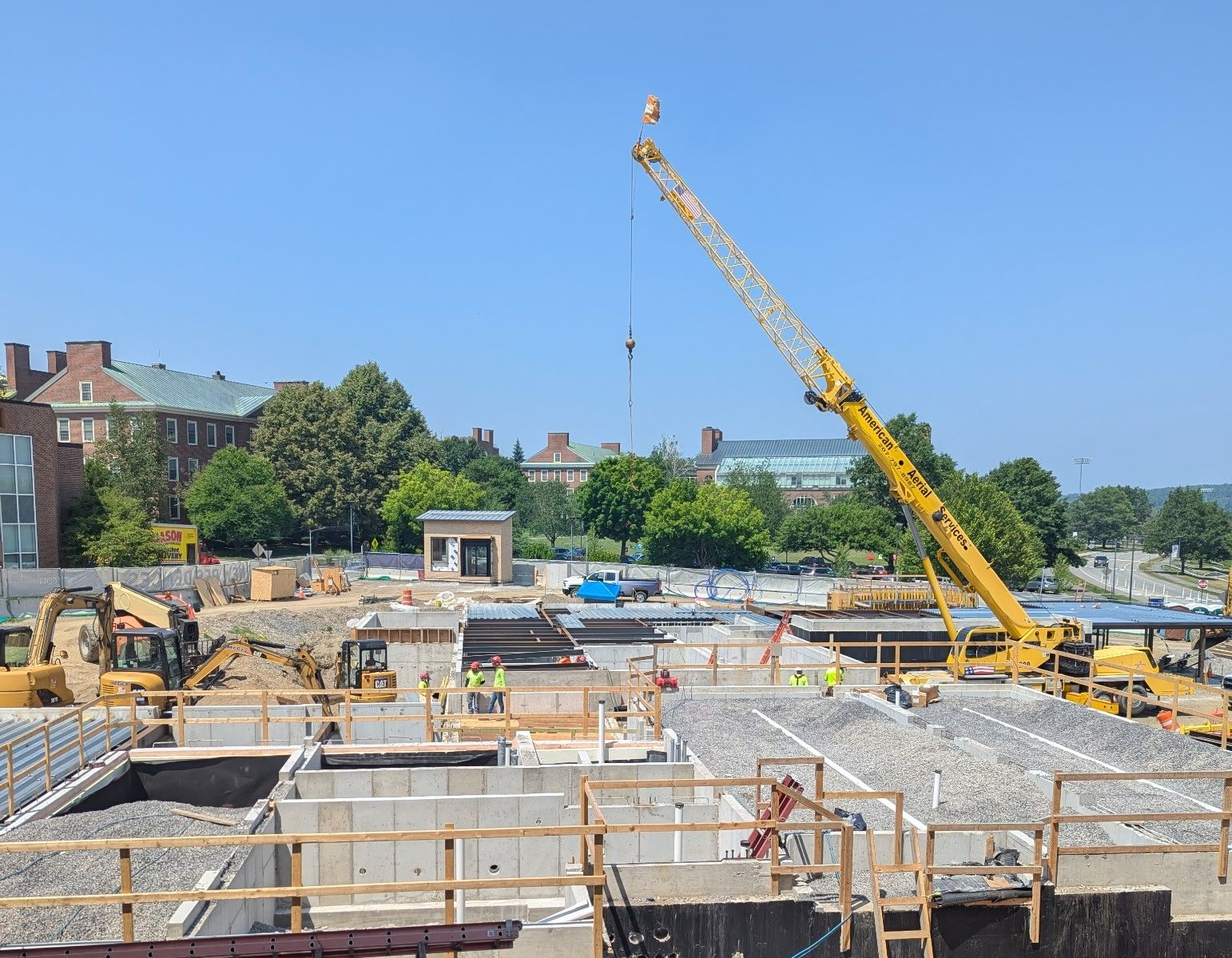
Every successful steel lift depends on more than crane capacity and operator skill. Behind each beam that moves safely into place is a rigging setup that's been inspected, calculated, and configured correctly. Rigging is often the least visible part of a lift — but it's one of the most critical to get right.
Why Proper Rigging Is the Foundation of a Safe Lift
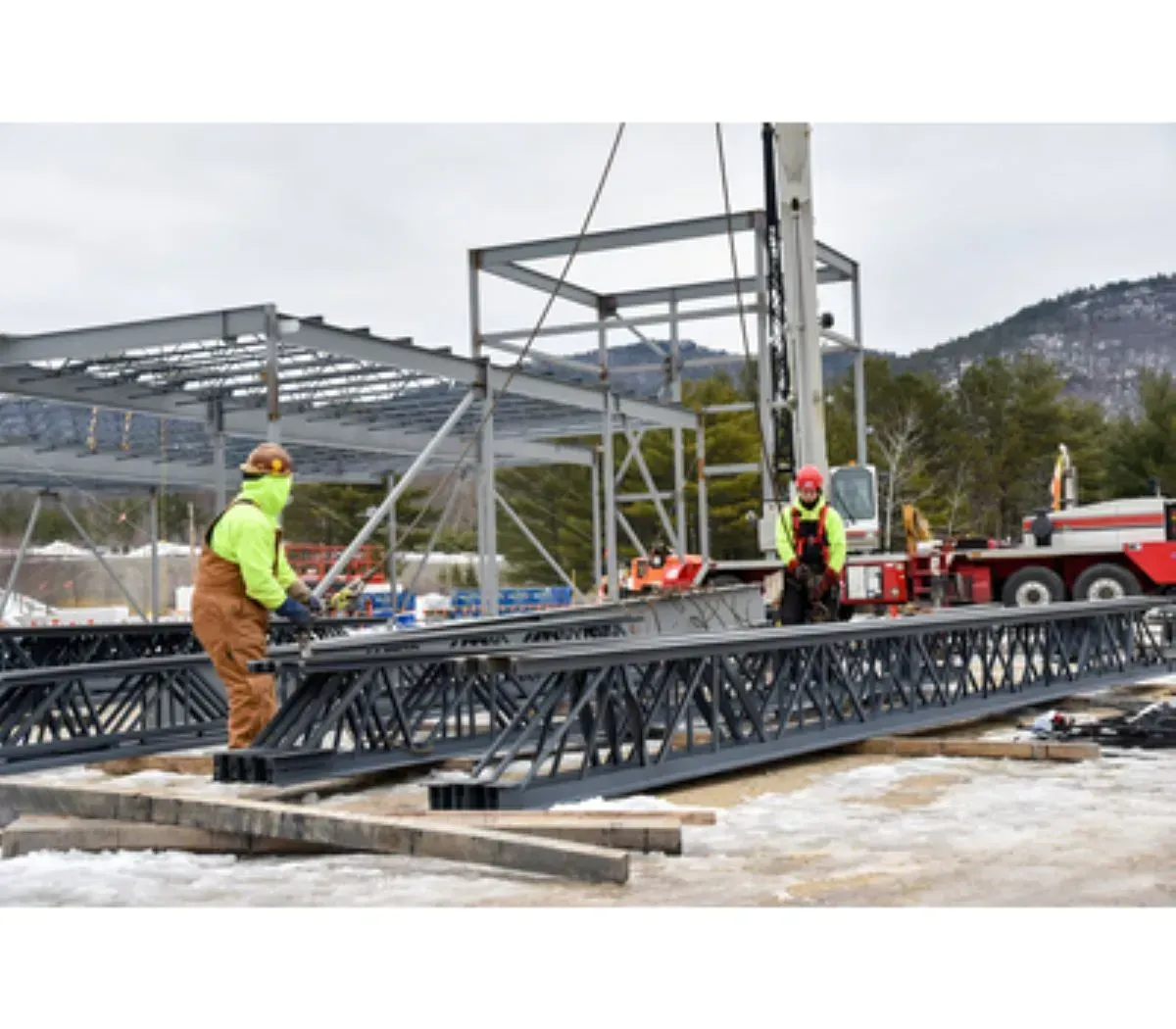
Rigging refers to the slings, shackles, hooks, spreader bars, and other hardware used to attach a load to a crane. It's the connection point between the crane and the steel being moved, and it carries the full weight and stress of every lift. A rigging failure doesn't just delay a project — it puts workers on the ground and in the air at serious risk.
Proper rigging isn't one-size-fits-all. Every lift is different, depending on the load's shape, weight distribution, and center of gravity. Experienced riggers account for all of these factors before a beam or member ever leaves the ground.
What Goes Into a Safe Rigging Plan
Load weight and capacity calculations. Every piece of rigging hardware has a rated capacity, and that rating changes depending on the angle at which it's used. A qualified rigger calculates sling angles and load distribution to make sure nothing on the lift exceeds its safe working load.
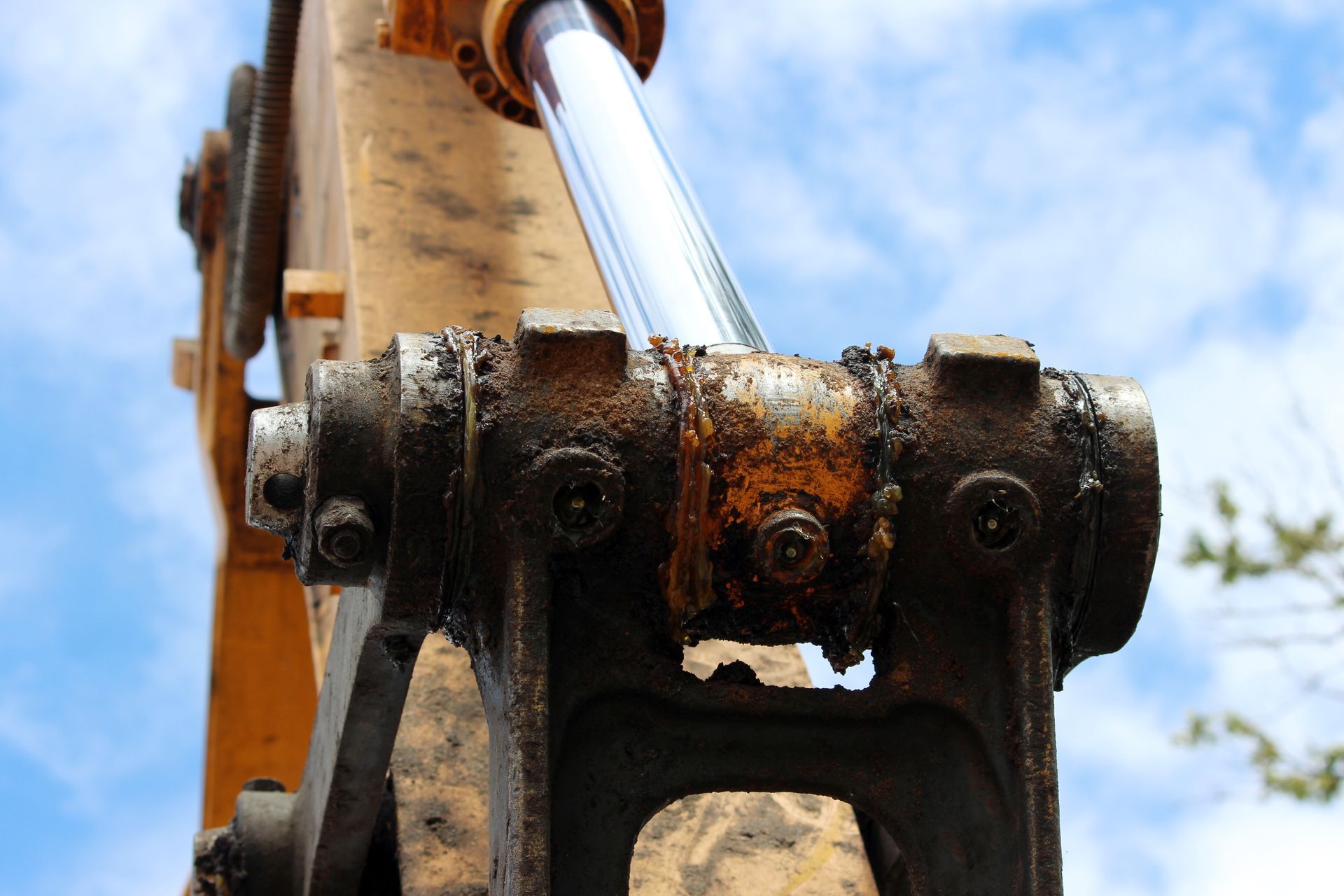
Equipment inspection before every use. Visually inspect slings, shackles, and hooks before each lift for wear, cracking, deformation, or corrosion. Damaged rigging hardware should be removed from service immediately — there's no acceptable margin for "probably fine."
Choosing the right hardware for the load. Irregularly shaped or unbalanced loads often require specialized rigging, such as spreader bars or multiple attachment points, to keep the load stable and level during the lift.
Clear communication during the lift. Riggers and signal persons communicate directly with the crane operator throughout a lift, using standardized hand signals or radio communication to guide the load safely into position.
Documented inspection schedules. Beyond daily visual checks, rigging equipment should go through more thorough documented inspections on a regular schedule, in line with OSHA requirements and manufacturer guidelines.
The Cost of Getting Rigging Wrong
A dropped load isn't just a safety incident — it's often a project setback measured in weeks, not hours. Damaged steel may need to be replaced, schedules shift, and in the worst cases, injuries put crews out of commission entirely. The relatively short time it takes to properly rig a load is nothing compared to the cost of getting it wrong.
Why Experience Matters
Rigging looks straightforward from a distance — hook, lift, place. In practice, it requires trained judgment to read a load, anticipate how it will behave in the air, and adjust for wind, site conditions, or unexpected shifts mid-lift. That's why rigging is treated as a skilled trade in its own right, not a task handed to whoever is closest to the crane.
An experienced steel erection team treats rigging as a critical part of every project plan — not an afterthought once the crane shows up. That discipline keeps job sites safe, lifts efficient, and projects on schedule.
Frequently Asked Questions
What is rigging in steel erection? Rigging refers to the slings, shackles, hooks, and other hardware used to safely attach a load to a crane for lifting.
Who is responsible for rigging safety on a job site? A qualified rigger inspects equipment and configures each lift, working alongside the crane operator and site supervisor to confirm safe load paths.
How often should rigging equipment be inspected? Visually inspect rigging hardware before every lift, and perform more thorough, documented inspections on a regular schedule per OSHA and manufacturer guidelines.
What happens if rigging fails during a lift? Rigging failure can cause dropped loads, equipment damage, and serious injury — which is why pre-lift inspection and proper load calculations are non-negotiable steps.