Winter Steel Erection: Challenges and Best Practices for Cold-Weather Construction
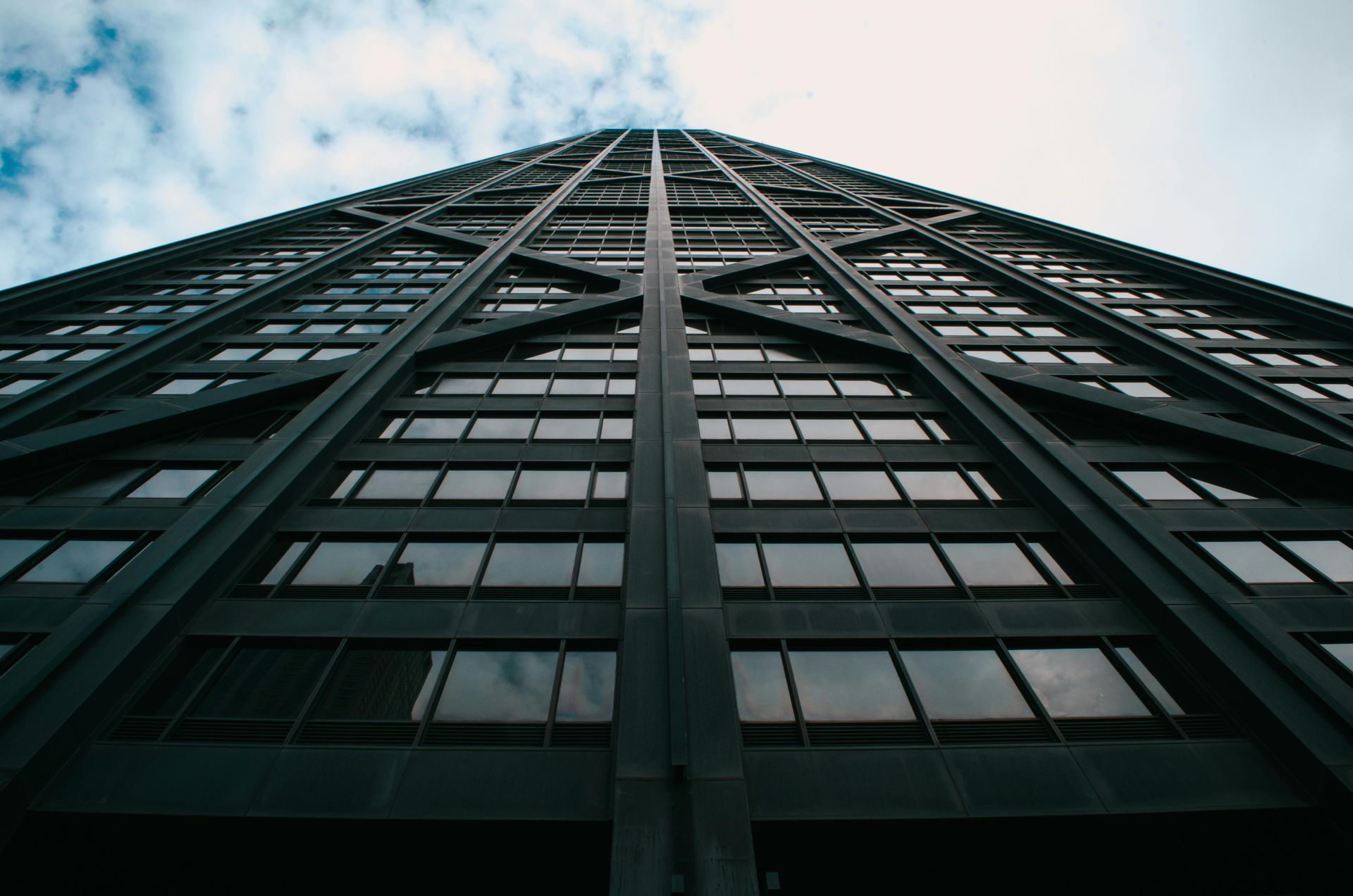
Construction doesn't stop when the temperature drops — but it does change. For steel erection crews working through a Maine or New England winter, cold weather introduces a distinct set of risks that don't exist during the warmer months. With the right planning, equipment, and crew discipline, winter projects can stay on schedule and on budget without compromising safety.
How Cold Weather Affects Steel Erection
Steel becomes more brittle in low temperatures. As temperatures fall, structural steel loses some of its ductility, making it more susceptible to fracture under stress or impact. Crews need to handle members more carefully during lifting, positioning, and bolting to avoid unnecessary stress on cold steel.
Ice and snow create fall hazards. Beams, decking, and connection points can become slick with frost or ice, dramatically increasing the risk of slips during erection. Footwear, handrails, and non-slip coatings all become more critical during winter months.
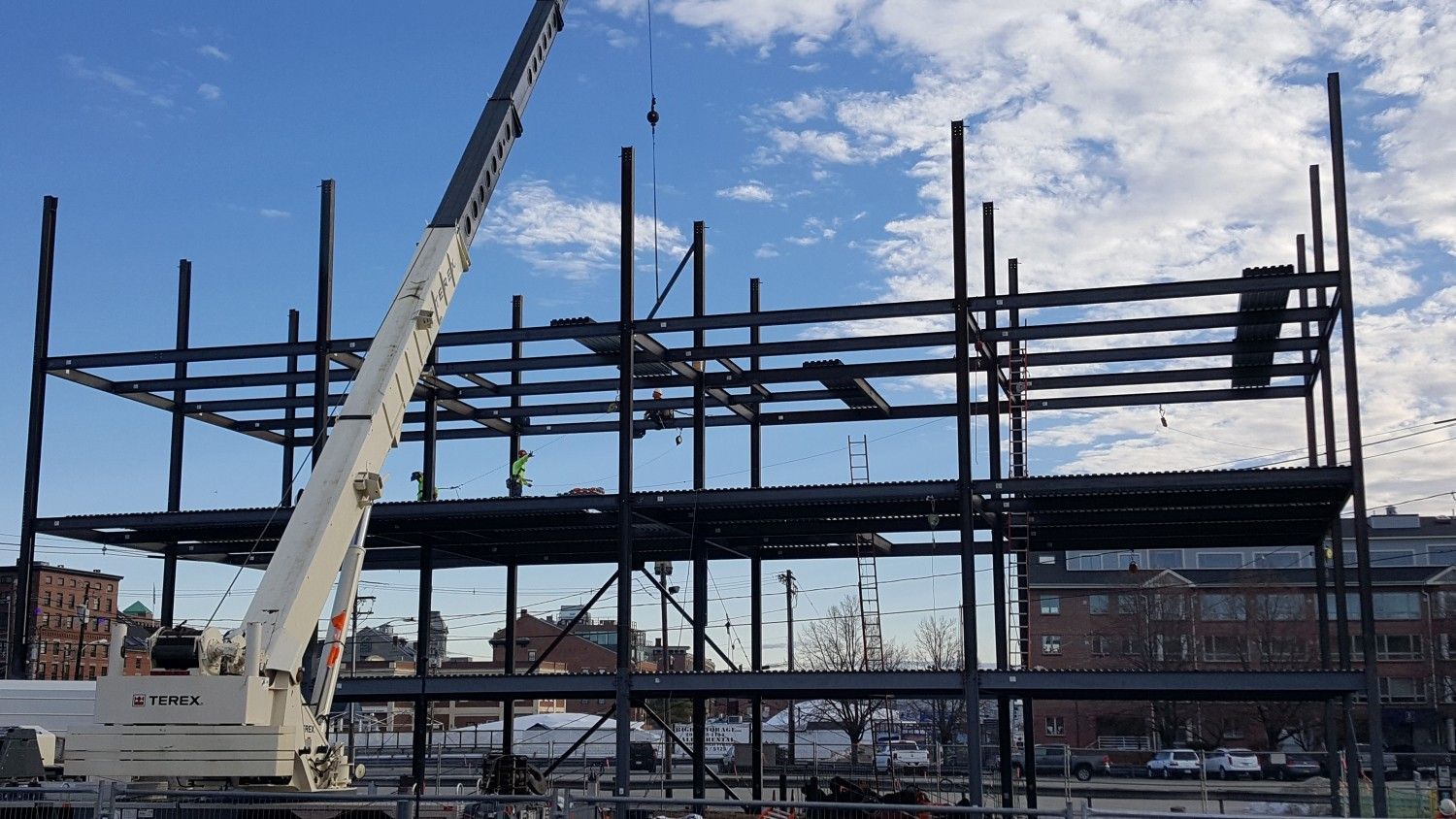
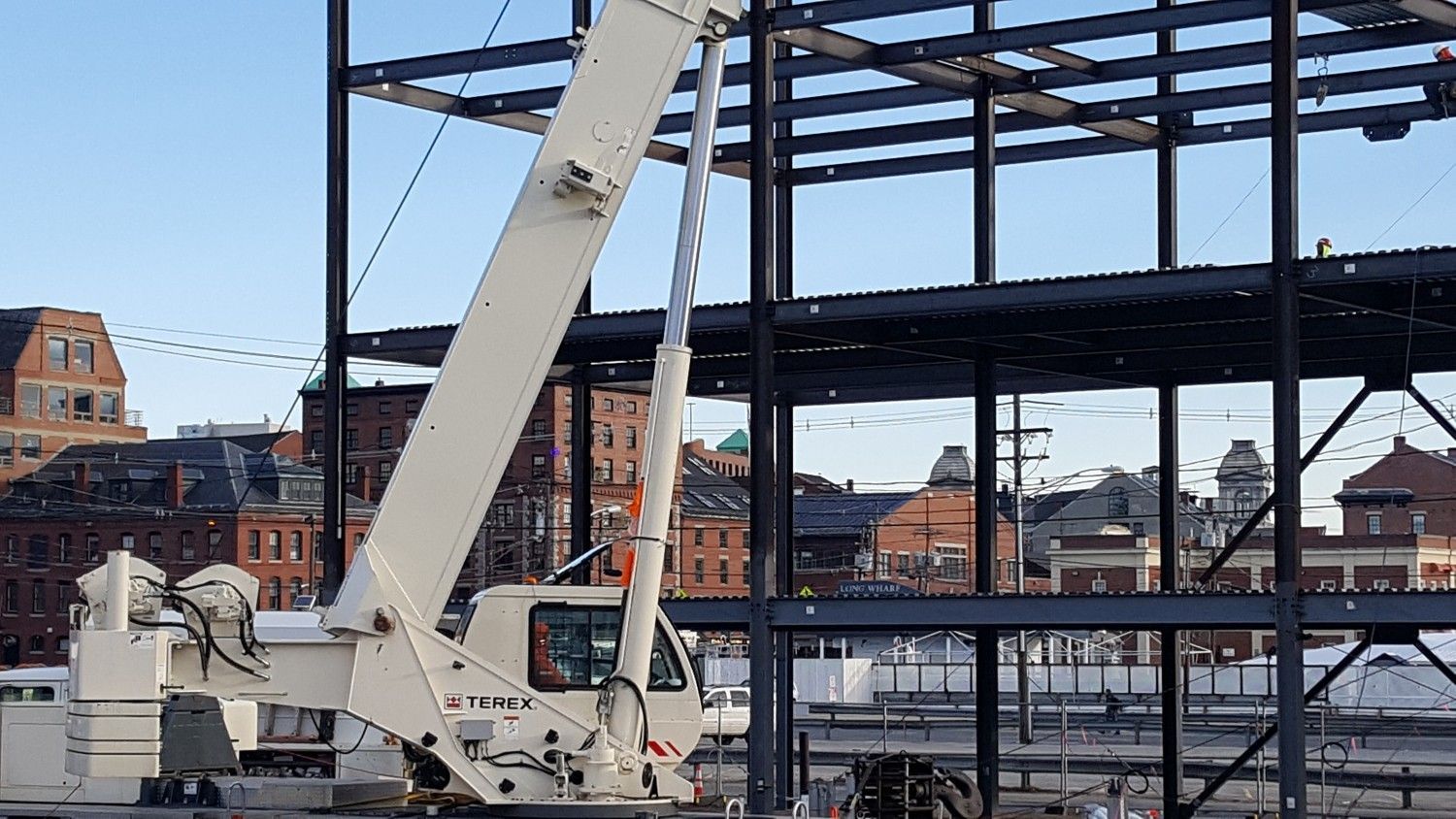
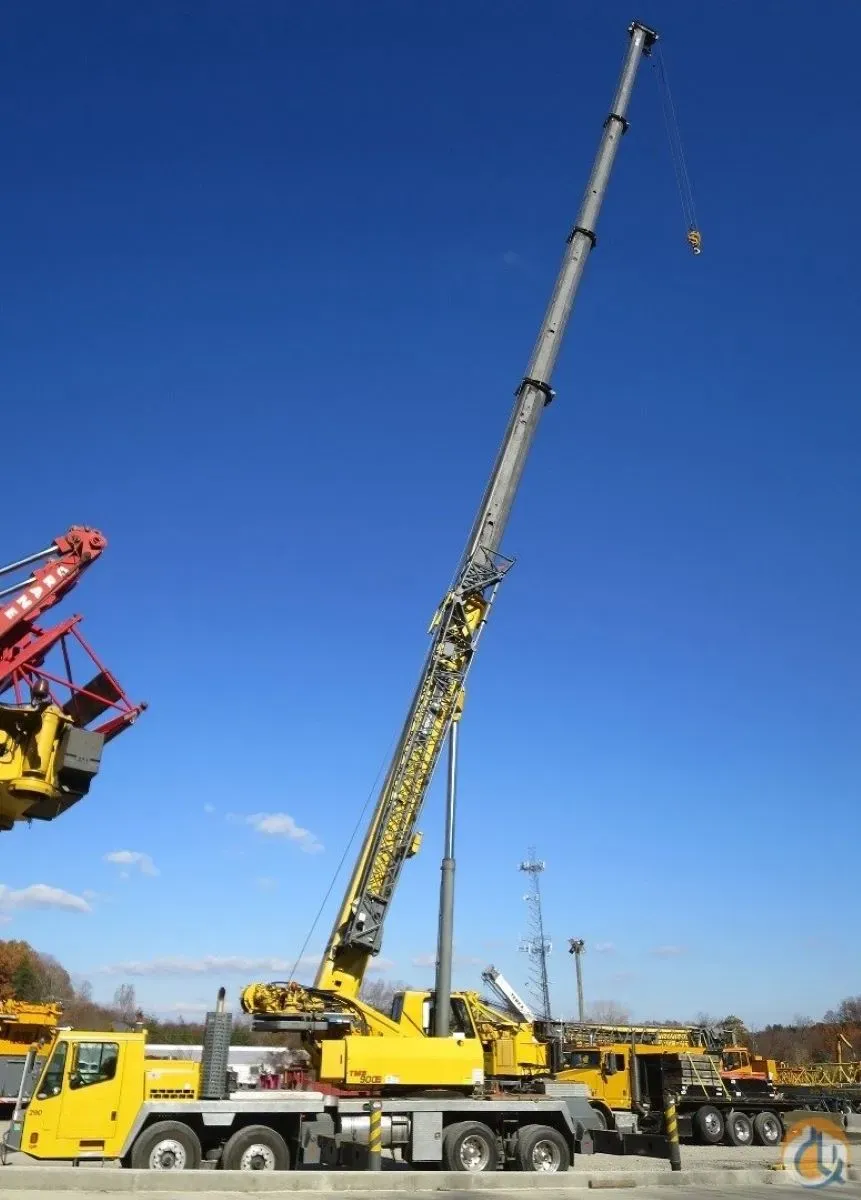
Crane operations require extra caution. Cold air is denser, which can improve crane lifting capacity in some cases—but ice buildup on cables, hooks, and rigging hardware can compromise load control. Wind chill also affects operator visibility and reaction time inside the cab.
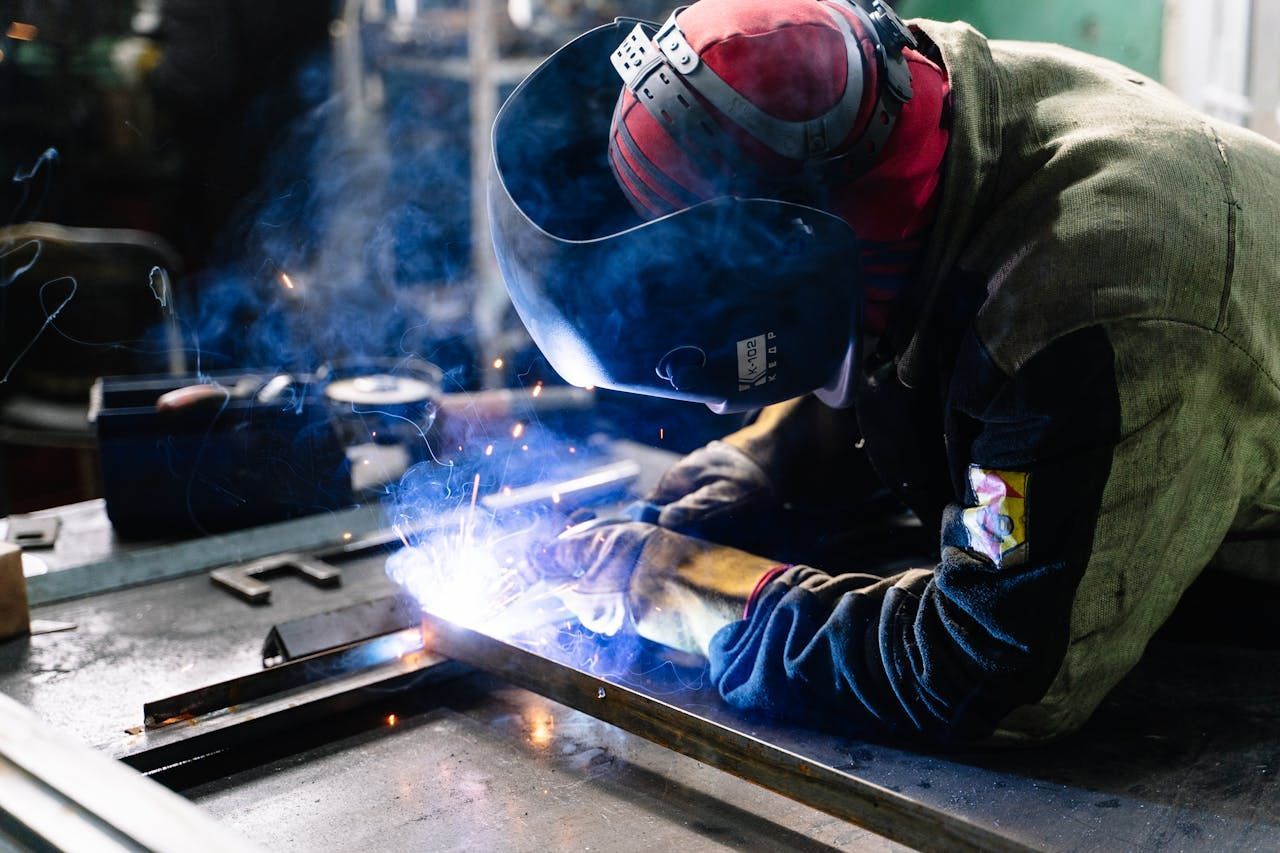
Welding and bolting performance can shift. Cold temperatures can affect weld quality if proper preheat procedures aren't followed, and bolted connections may torque differently in freezing conditions.
Best Practices for Safe Winter Erection
- Inspect steel and rigging before every lift. Check for ice accumulation on beams, cables, and connection points before moving any load.
- Establish clear anti-icing procedures. De-icing walking surfaces and connection points at the start of each shift significantly reduces slip-and-fall incidents.
- Adjust crew rotation and warm-up breaks. Cold exposure slows reaction time and judgment. Scheduled warm-up breaks keep crews sharp and reduce fatigue-related mistakes.
- Follow manufacturer cold-weather guidelines for welding. Preheating steel and adjusting filler material selection helps maintain weld integrity in low temperatures.
- Plan lifts around wind and visibility. High winds combined with cold temperatures can ground crane operations for safety — building flexibility into the schedule prevents costly delays.
- Use proper PPE rated for the conditions. Insulated gloves, layered clothing, and traction-rated footwear are not optional extras in winter erection — they're essential safety equipment.
Why Experience Matters in Winter Conditions
Cold-weather steel erection isn't something crews should learn on the job. It takes experience to recognize when conditions have crossed from "manageable" to "unsafe," and the judgment to adjust a schedule without letting a project fall behind. AISC-certified erectors bring that experience to every winter job site, combining trained crews with the right equipment to keep projects moving safely through the coldest months of the year.
Whether your project is breaking ground in January or pushing through a January deadline, having a steel erection partner who understands New England winters makes all the difference.