Preparing Your Job Site for Steel Erection: A Pre-Construction Checklist
What Contractors and Project Owners Should Handle Before Crews Arrive
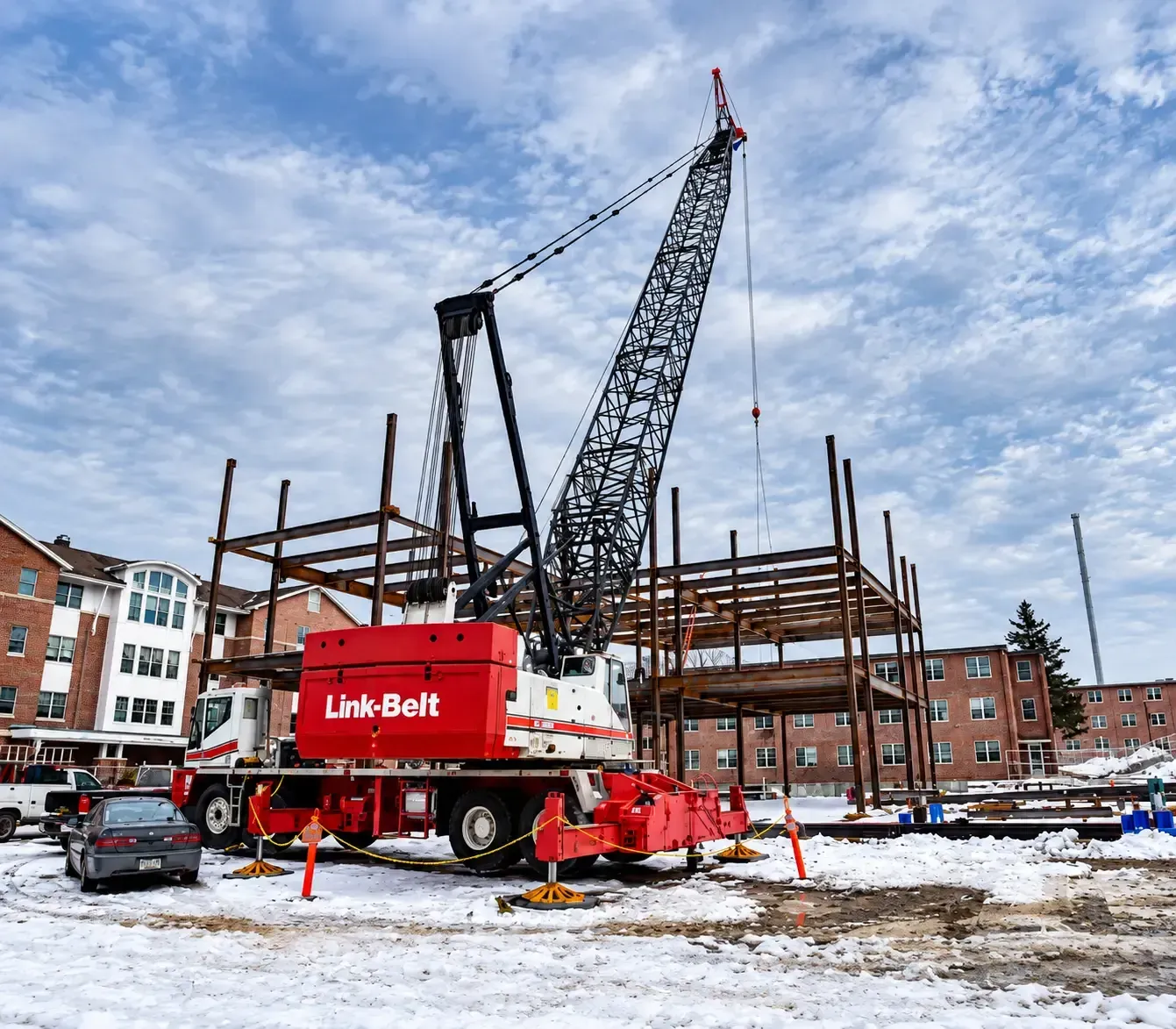
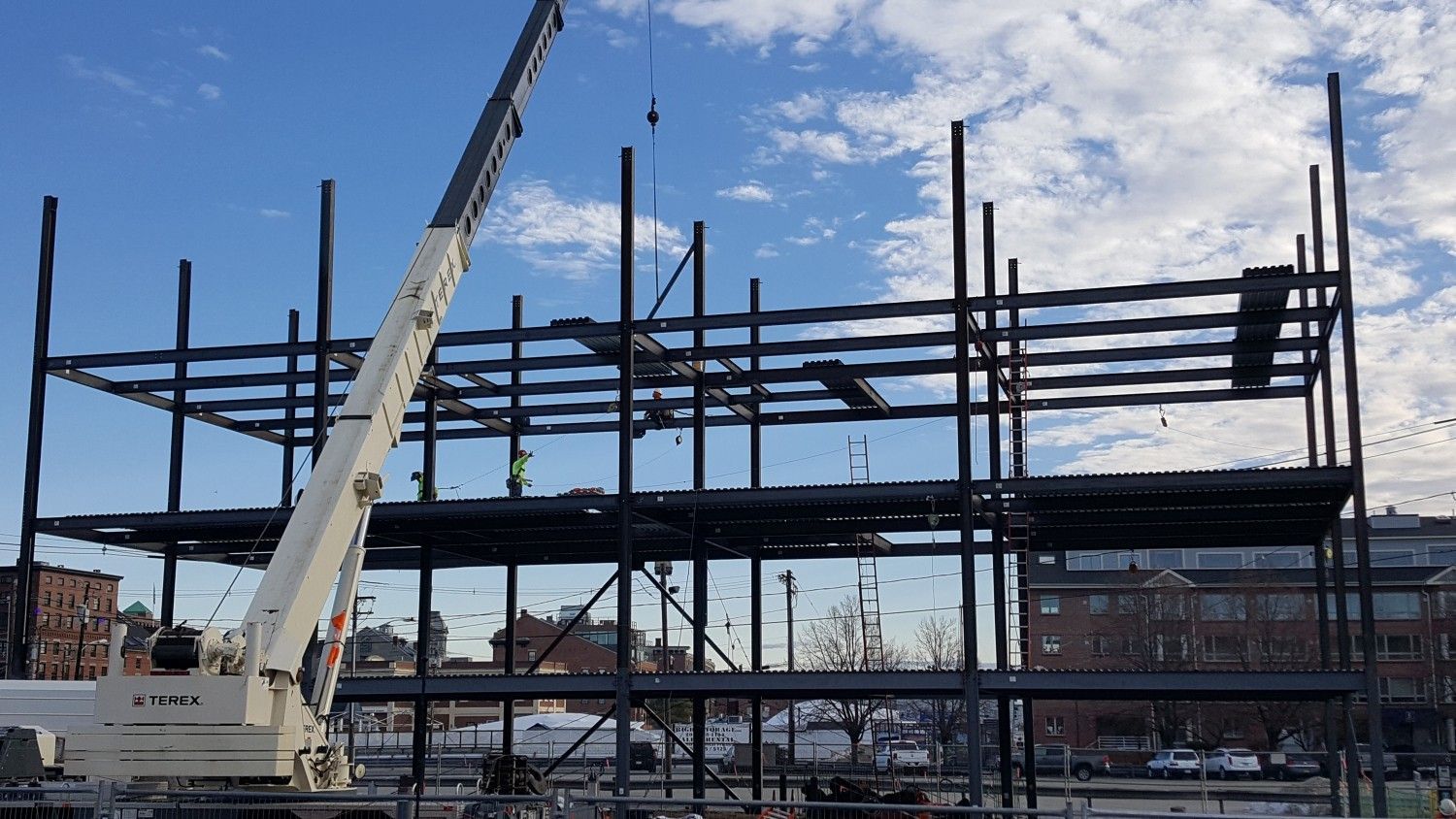
By the time a crane rolls onto a job site, the groundwork for a smooth steel erection project should already be in place. Site readiness is one of the most overlooked factors in project timelines — and one of the most common sources of costly delays when it's handled at the last minute.
What Contractors and Project Owners Should Handle Before Crews Arrive
A steel erection crew can only move as fast as the site allows. Clear access, stable ground, and confirmed permits let crews start work the moment they arrive. Missing pieces, on the other hand, can halt an entire schedule before the first beam is ever lifted.
Key Items on the Pre-Construction Checklist
Site access and clearance. Roads, gates, and staging areas must be clear enough for delivery trucks, cranes, and material-handling equipment to move without obstruction. Identify and address narrow or congested access points well before crews are scheduled.
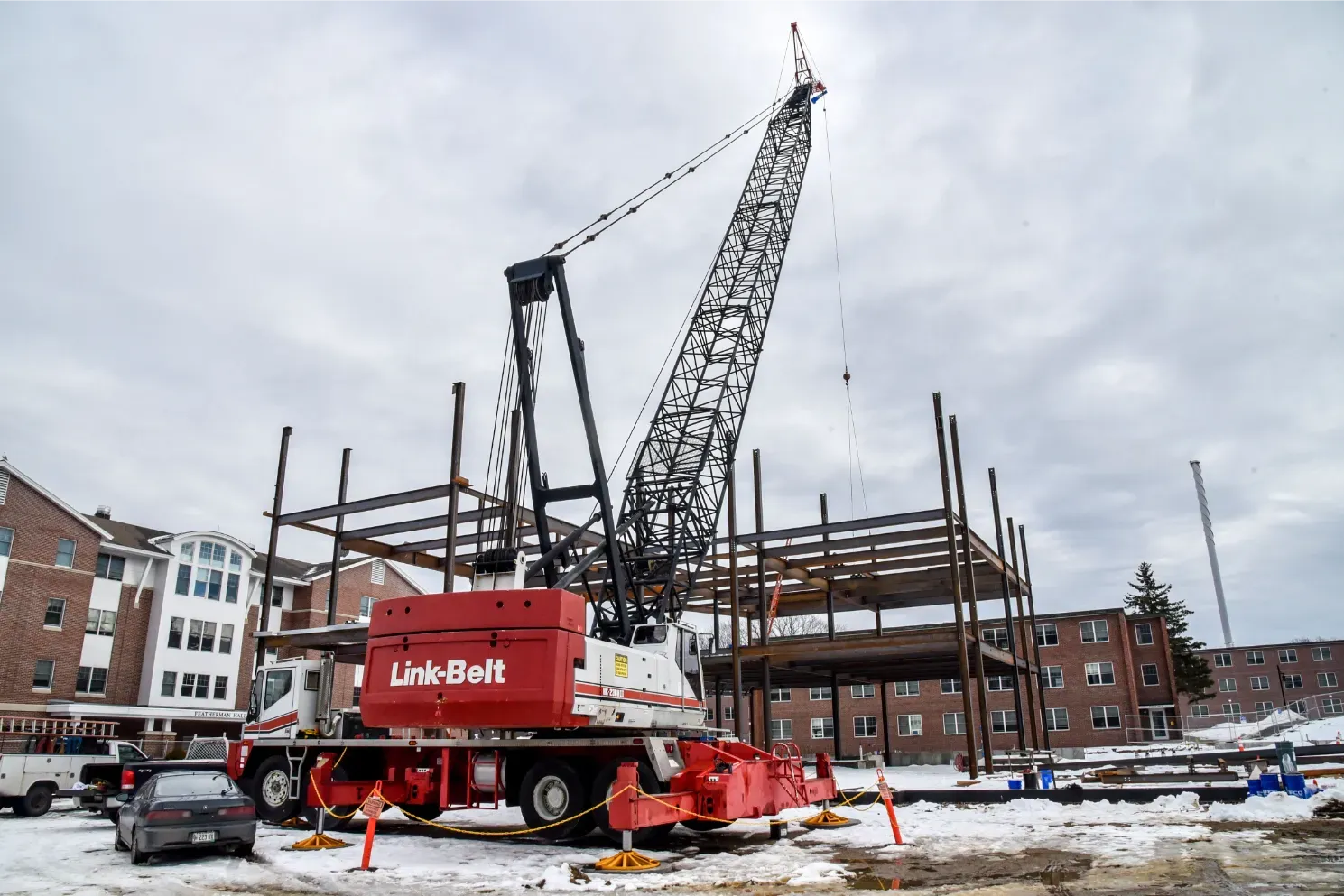
Ground conditions and crane setup area. Cranes require stable, level ground to operate safely. Soft soil, recent excavation, or uneven terrain may require crane mats, compacted fill, or additional grading before crews can safely position a crane.
Utility locates and clearances. Mark underground utilities and identify overhead power lines well in advance. Crane operations near power lines require specific clearance distances that must be planned into the site layout.
Permits and inspections. Confirming that all necessary permits are in place — and any required inspections scheduled — prevents work stoppages once erection begins.
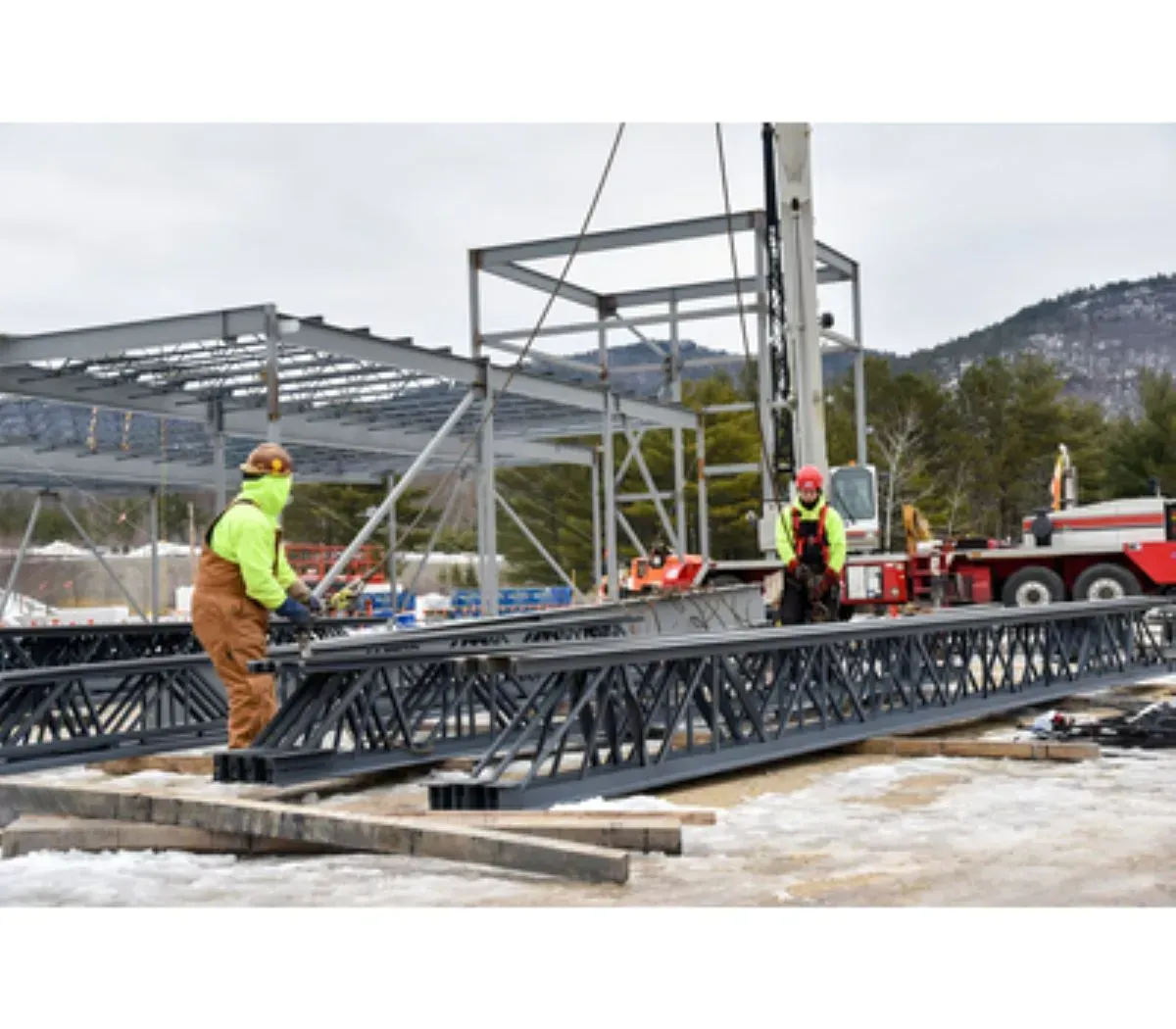
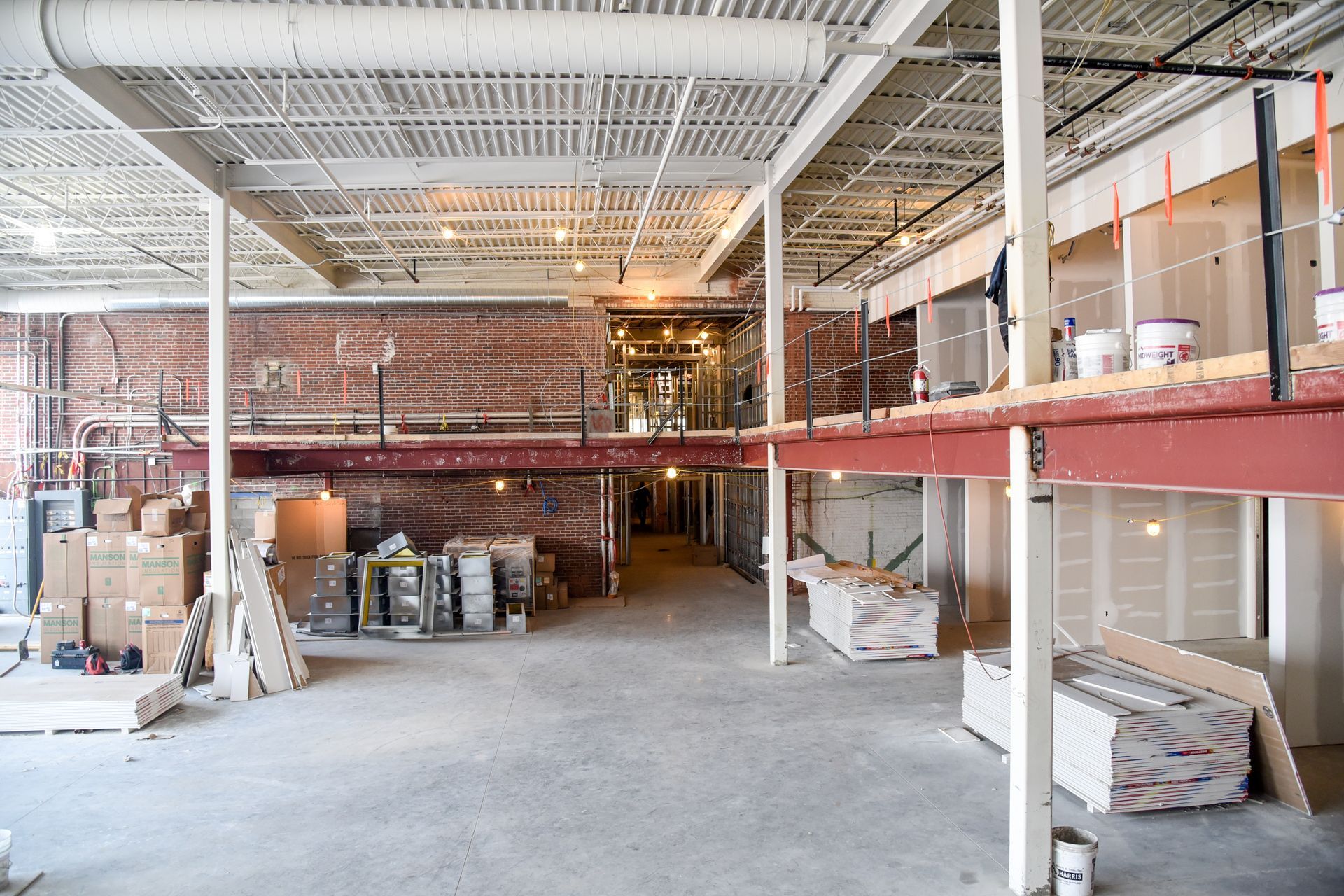
Material staging and delivery coordination. Steel deliveries need a clear plan for where materials will be staged, how they'll be sequenced for erection, and how site traffic will be managed during active lifting.
Weather and seasonal planning. Site conditions can shift significantly with weather. Drainage, site stability, and material storage must account for the season a project is scheduled to begin.
Why Site Prep Timing Matters
Site preparation can't be compressed into the days right before a crane shows up. Ground stabilization, utility locates, and permitting all take lead time — often weeks — and rushing any of these steps increases the risk of delays once erection is underway.
Projects that build site prep into the schedule from the start consistently move faster once erection begins, because crews aren't spending valuable time solving access or ground issues that could have been resolved in advance.
A Shared Responsibility
Site readiness is typically a shared effort between the project owner or general contractor and the steel erection team. The site prep itself — clearing, grading, permitting — usually falls to the contractor or owner, while the erection team confirms the site meets the specific requirements for safe crane operation and material staging before work begins.
Clear communication between both sides early in the process is what keeps a project moving smoothly from mobilization through the final beam.
Frequently Asked Questions
What should be done before steel erection crews arrive on site? Clear site access, verify ground conditions for crane stability, mark utilities, and confirm any required permits in advance.
Why does ground condition matter for steel erection? Soft, uneven, or unstable ground can affect crane setup and safety, sometimes requiring crane mats or additional site preparation before lifting can begin.
How far in advance should site prep start? Site prep typically begins weeks ahead of the erection date, allowing time to address access, permitting, and any unexpected ground or utility issues.
Who is responsible for site readiness — the owner or the erector? It's typically a shared responsibility: the general contractor or owner prepares the site, while the erection team confirms it meets the requirements for safe crane operation.