Crane Selection 101: Choosing the Right Crane for Your Next Steel Erection Project
Crane Selection 101: Choosing the Right Crane for Your Next Steel Erection Project
Not every job calls for the same crane. Picking the right piece of equipment for a project is one of the most important — and most overlooked — decisions in the planning phase of any steel erection job. The wrong crane can slow a project down, strain a budget, or create safety risks. The right crane keeps a job moving efficiently from the first lift to the last.
Key Factors That Determine the Right Crane
Load weight and lift height. Every crane has a load chart that defines what it can lift safely at a given boom angle and radius. Underestimating load requirements is one of the most common — and most dangerous — planning mistakes on a job site.
Site access and ground conditions. Tight urban lots, uneven terrain, or limited access roads can rule out larger cranes entirely. Smaller, more maneuverable equipment may be the only realistic option on constrained sites, even if it means more lifts to complete the same job.
Reach and radius requirements. How far does the crane need to reach horizontally, and how high does it need to lift? A crane positioned too close or too far from the work zone can limit usable capacity, even if it's rated for a heavier load elsewhere on the chart.
Project duration and mobility needs. For short-term or single-day lifts, a mobile crane is often the most cost-effective choice. For projects spanning weeks or months with lifts throughout the structure, a tower crane or larger mobile unit stationed on site may make more sense.
Weather and seasonal conditions. Wind speed limits, temperature, and ground stability all factor into which crane can operate safely and consistently through a project's timeline.
Common Crane Types Used in Steel Erection
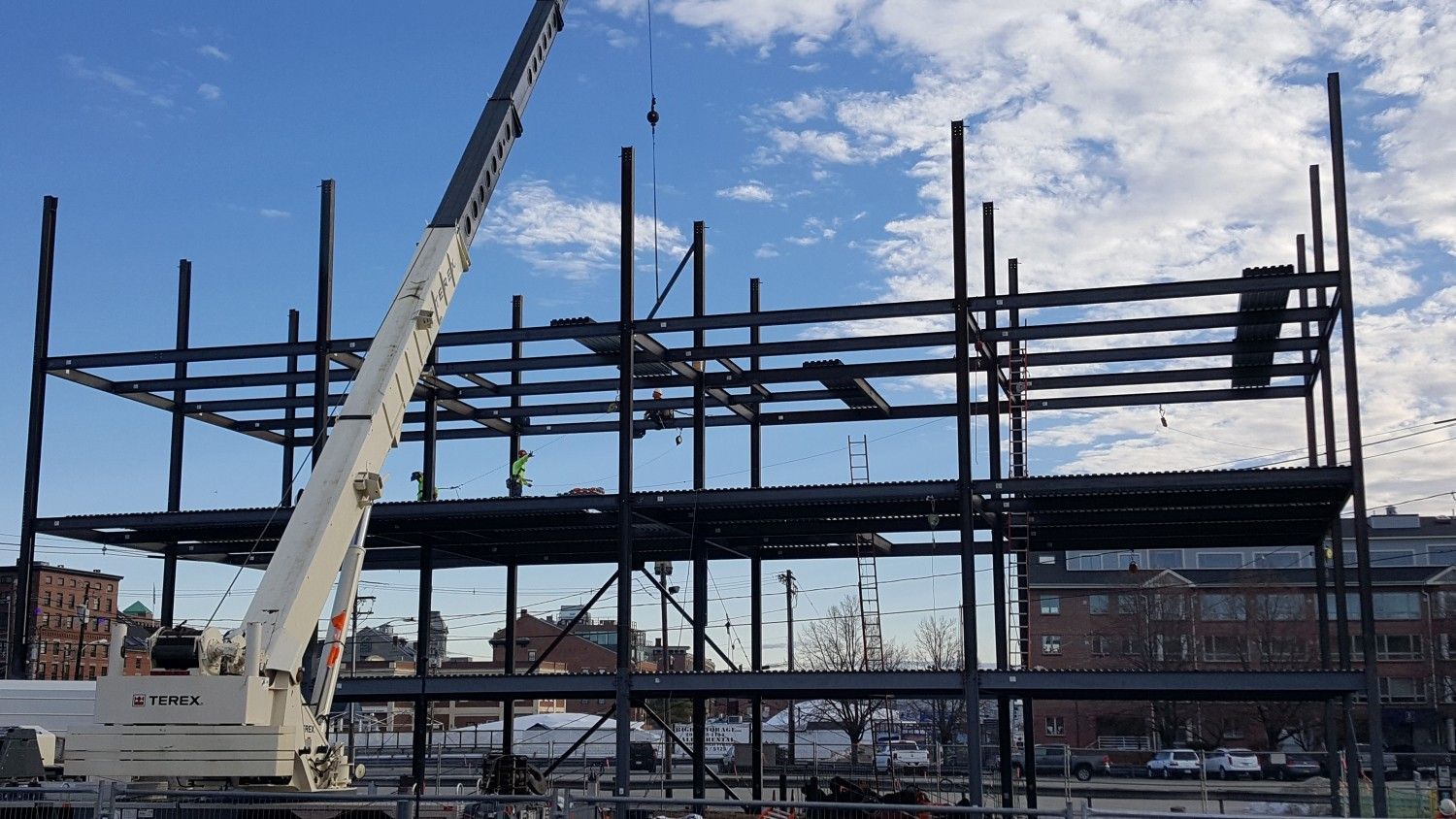
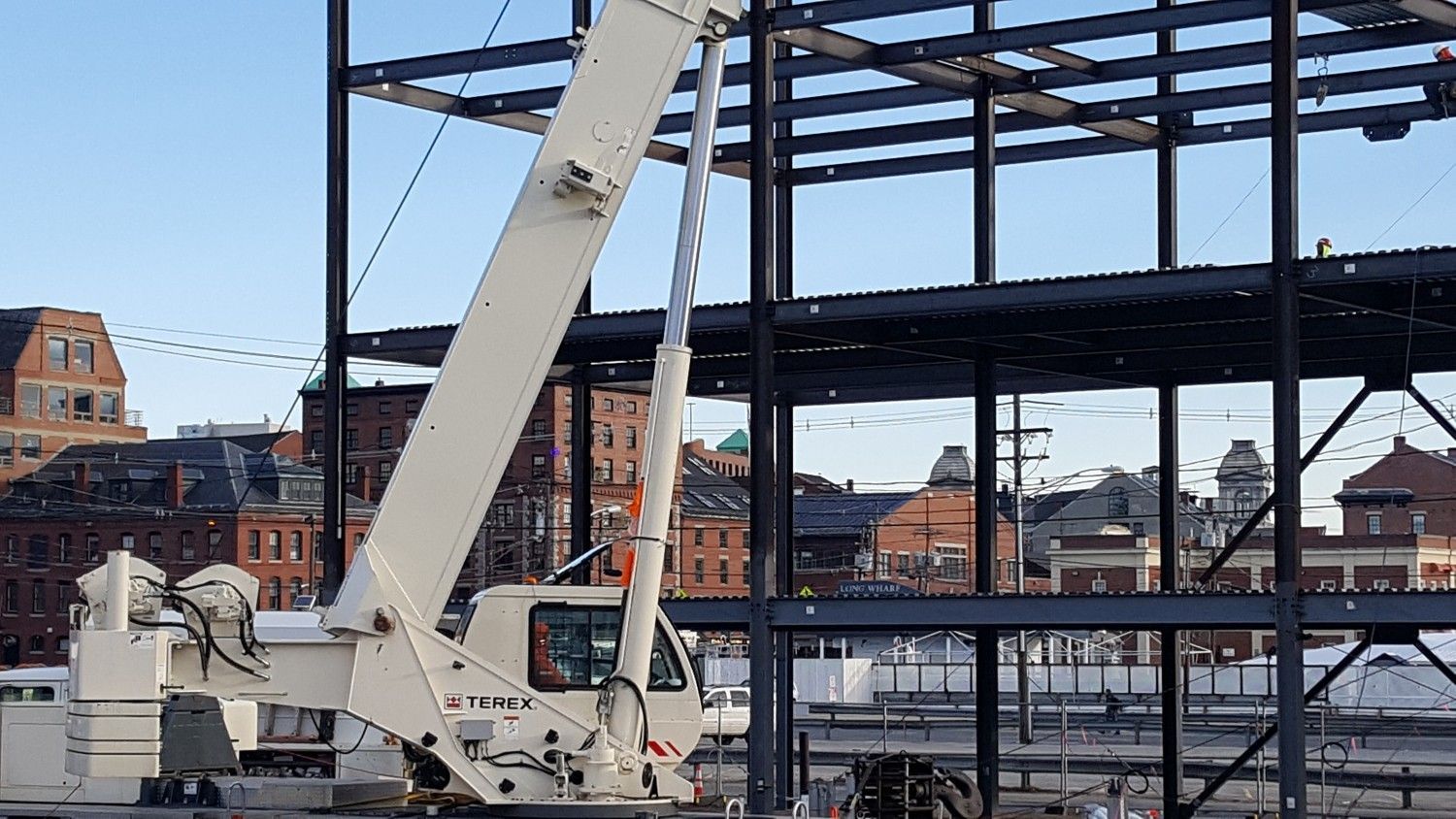
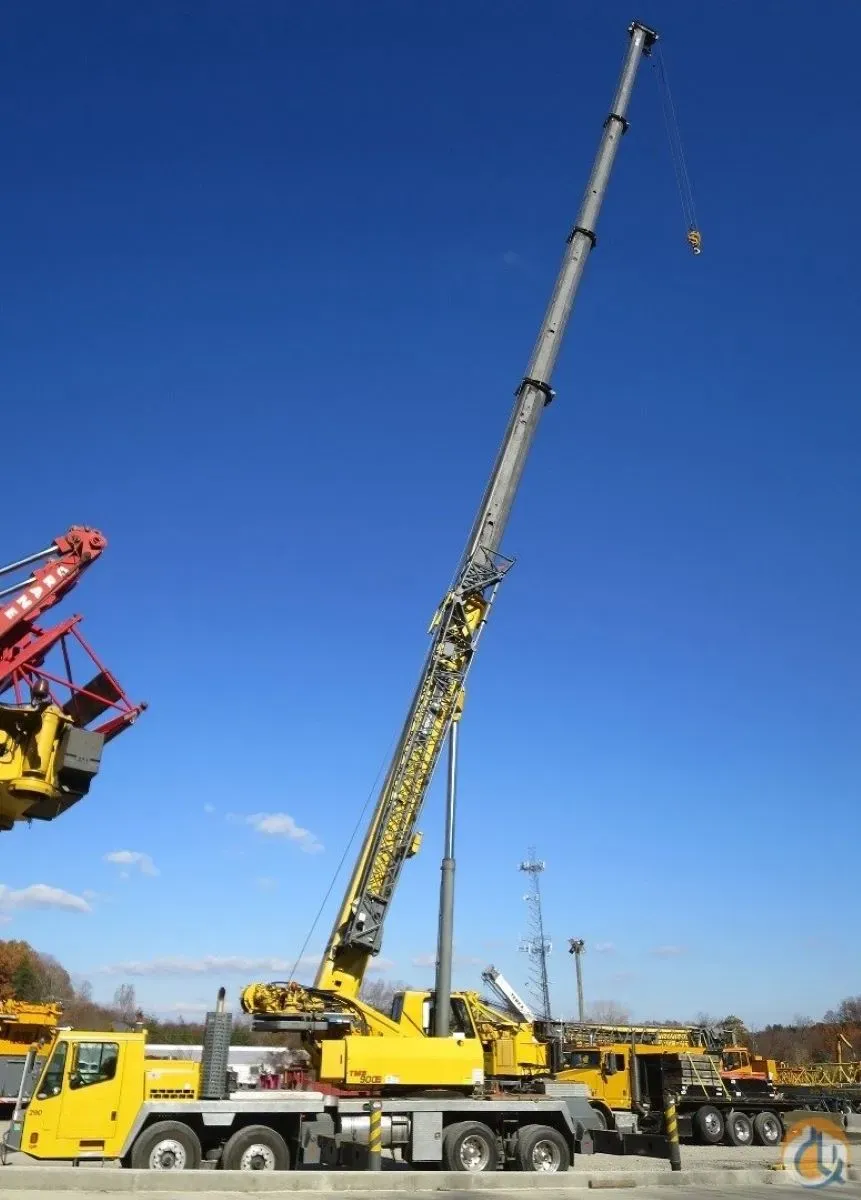
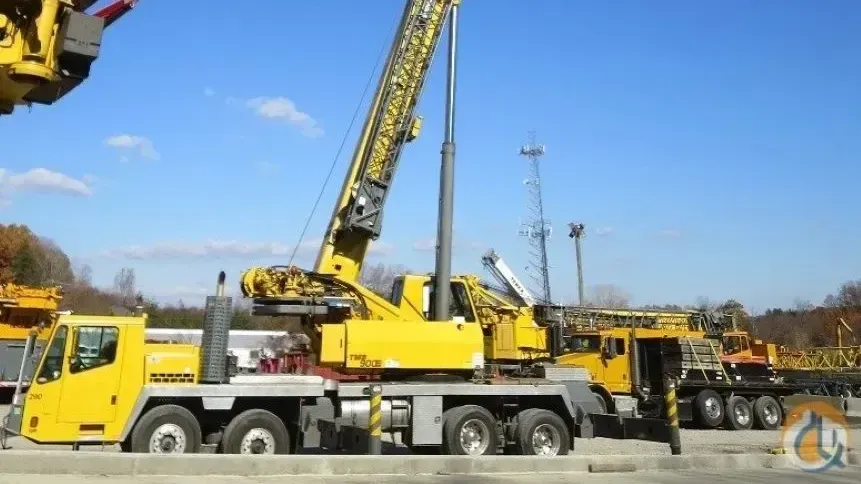
- Mobile/rough terrain cranes — Versatile and quick to mobilize, ideal for shorter projects or sites requiring frequent repositioning.
- Crawler cranes — Excellent stability and lifting capacity for heavier loads, well-suited to sites with soft or uneven ground.
- Tower cranes — Best for tall structures and long-duration projects where the crane remains in a fixed position for extended periods.
- All-terrain cranes — Combine highway mobility with strong off-road capability, useful for projects that require travel between multiple sites.
Why the Right Equipment Changes the Outcome
Choosing the correct crane isn't just about getting the job done — it's about doing it safely, efficiently, and on budget. An oversized crane on a small job wastes money in mobilization costs. An undersized crane on a heavy lift creates serious safety hazards and can bring a project to a halt.
Experienced steel erectors evaluate load charts, site conditions, and project timelines together before a single piece of equipment arrives on site. That upfront planning is what keeps projects moving smoothly, from foundation to final beam.
If you're planning a project and aren't sure which crane fits your job, a conversation with a certified steel erection team before ground is broken can save significant time and cost down the line.